Vermont Land Trust and Vermont Departments of Forests, Parks & Recreation and Fish & Wildlife celebrate final phase of decade-long effort
WOODBURY, VT — A Vermont family has permanently protected 3,447 acres of its working forest in Woodbury through the federal Forest Legacy program, ensuring the land will remain a forest for future generations while continuing to support sustainable timber harvesting and wildlife habitat. The project marks the culmination of a long-running effort to keep one of central Vermont’s most important forest landscapes productive, connected, and intact.
The newly protected land is owned by the Meyer family’s E.B. Hyde Corporation and is the final major phase of the broader Worcester Woods initiative, a multi-year conservation effort that has protected more than 18,000 acres of working forest stretching across the region. Funding for the conservation easement was provided through the U.S. Forest Service’s Forest Legacy Program and administered in Vermont by the Department of Forests, Parks and Recreation (FPR) in partnership with the Department of Fish & Wildlife (FWD). Vermont Land Trust (VLT) worked alongside the landowners and partners over many years to develop the larger initiative and advance the most recent project.
“Projects like this happen because landowners choose a future where their forests remain forests,” said Kate Sudhoff, Land Conservation Program Manager with FPR. “Through the Forest Legacy Program, we are supporting local economies through sustainable forestry that helps keep forests intact while ensuring that future generations will have access to the land for dispersed recreation, including walking, hunting and fishing.”
Courtesy VT Department of Forests, Parks & Recreation
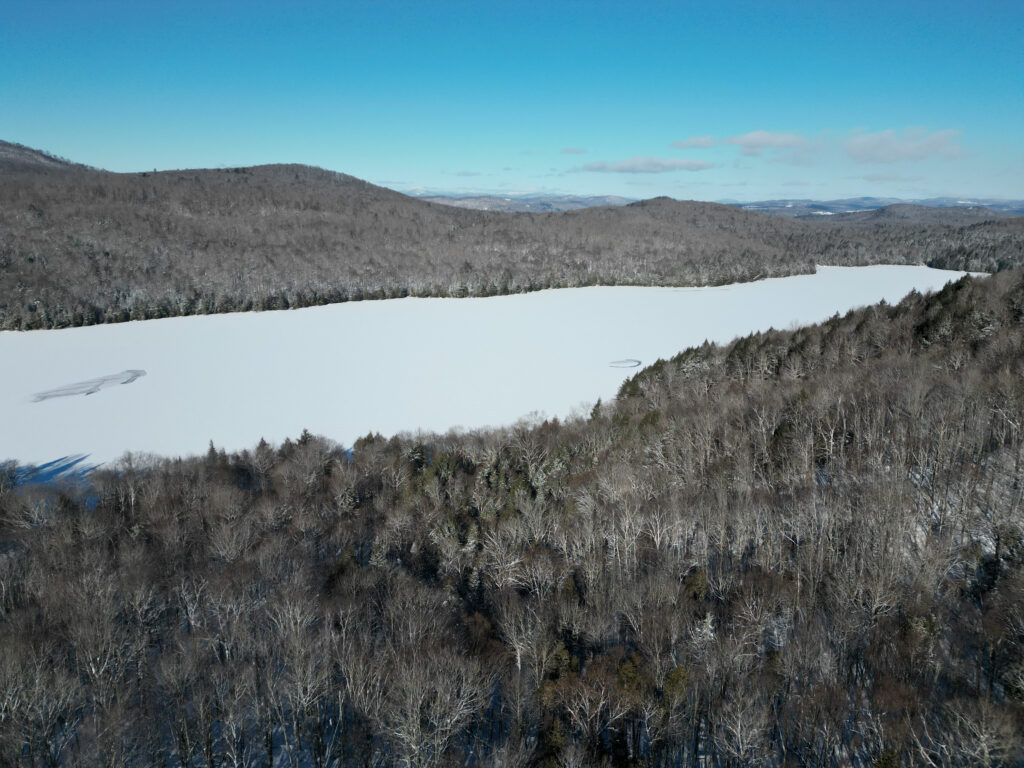
An aerial view of the land and water protected through the final major phase of the Worcester Woods initiative, taken last winter.
A family history of sustainable timber management
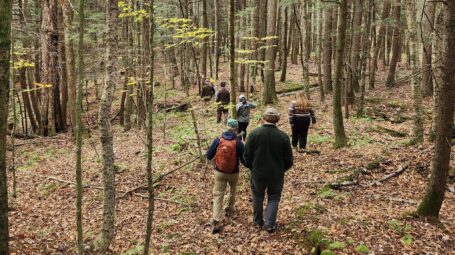
The project reflects the Meyer family’s long history of forest management, land stewardship, and commitment to conservation. Hugo Meyer began buying abandoned farmland after World War II to reforest it for timber. In the decades since, the family has owned and managed thousands of acres in and around the Worcester Range, maintaining the land as a working forest. As pressures on land have increased over recent decades, the family felt conservation offered a way to keep the property together and support continued family ownership and sustainable management.
“These forests have been part of our family’s story for generations,” said landowner Andrew Meyer. “Conservation offers a way to keep the land together while continuing the stewardship and sustainable forestry practices that have shaped it over the years. We’re proud to be part of an effort that protects the character of this landscape, supports our continued management of this working forest, and helps ensure that future generations can benefit from the same connection to the land that our family has had.”
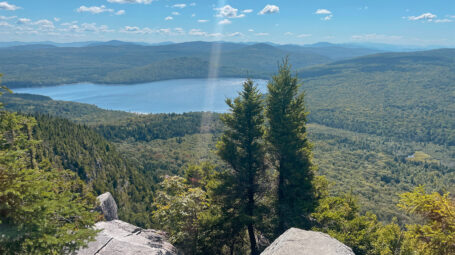
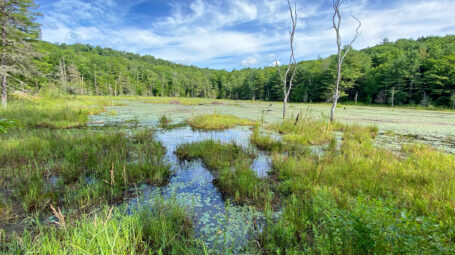
The conserved land includes extensive and varied forest habitat and wetlands, as well as a mile of undeveloped shoreline along East Long Pond. The property has been actively managed for timber for decades and will remain a working forest under the conservation easement. Forest Legacy easements are specifically designed to prevent fragmentation and development while allowing sustainable forestry to continue.
“The Meyers demonstrate how working lands and conservation can go hand in hand,” said Tracy Zschau, CEO and President of Vermont Land Trust. “This project protects an extraordinary forest landscape while supporting the family’s stewardship and sustainable forestry practices that have helped keep this forest intact for generations.”
Courtesy VT Fish & Wildlife Department
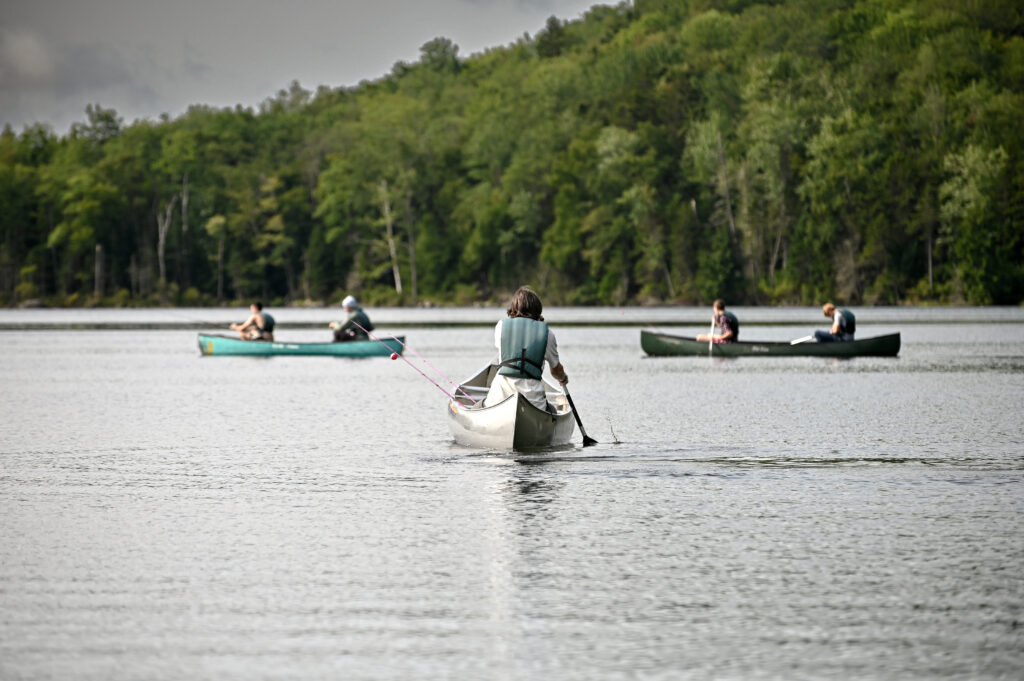
Campers at Green Mountain Conservation Camp (GMCC) in Woodbury canoe across Buck Lake. As part of this project, Vermont Fish & Wildlife Department has expanded the well-loved Buck Lake Wildlife Management Area, which hosts GMCC.
Safeguarding climate resilience and youth education
Large, intact forests are among Vermont’s most important climate and community assets. The conserved property lies within the Worcesters-to-Northeast-Kingdom wildlife corridor — a million acres of remote forest. Beyond supporting the state’s tourism economy and quality of life, these forests store significant amounts of carbon, filter drinking water, reduce runoff during heavy rain events, and provide the ecological resilience needed for life to adapt to a changing climate.
“Protecting large forested blocks in remote regions, like Worcester Woods, helps safeguard economic, social, and ecological benefits that extend well beyond the property boundaries, strengthening the health and resilience of communities across the state,” said Zschau.
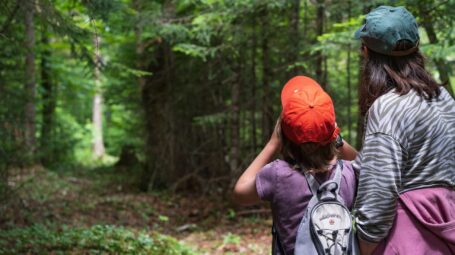
As part of this project, the Meyers also sold 301 acres of forest directly to Vermont Fish & Wildlife Department that will become an addition to Buck Lake Wildlife Management Area. The addition strengthens a well-loved public conservation area that is home to the Green Mountain Conservation Camp (GMCC), where young Vermonters learn about fish and wildlife, forestry, ecology, outdoor skills, and responsible stewardship of natural resources through hands-on experiences in the field.
Courtesy VT Fish & Wildlife Department
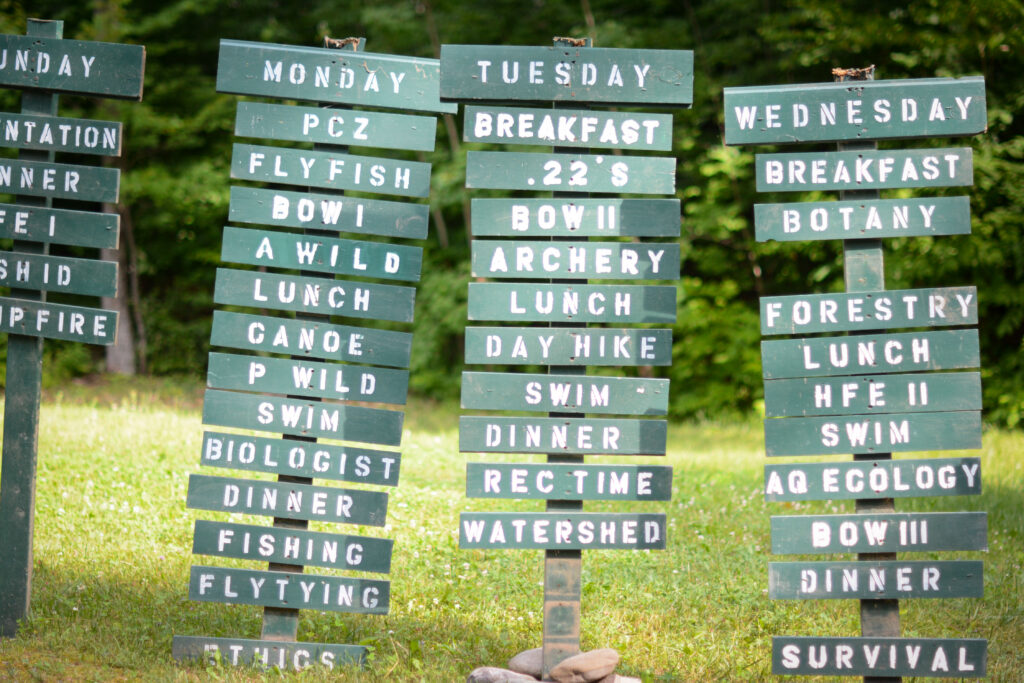
A typical camp itinerary at GMCC, at Buck Lake in Woodbury.
Since 1966, GMCC has taught responsible stewardship of the natural world by introducing campers to the science of wildlife conservation and forestry, alongside time-honored summer camp staples like archery, canoeing, hunting and fishing skills, swimming, and woodscraft. The addition to Buck Lake Wildlife Management Area will help support the long-term future of those educational and recreational opportunities.
“For generations, Green Mountain Conservation Camp has introduced young Vermonters to the outdoors and inspired a lifelong appreciation for fish, wildlife, and conservation,” said Will Duane, Land Acquisition Coordinator at Vermont Department of Fish & Wildlife. “Adding these lands to Buck Lake Wildlife Management Area helps ensure that future campers will continue to learn, explore, and build meaningful connections to Vermont’s natural world.”
Beyond Vermont’s borders, scientists and conservation organizations have long recognized Worcester Woods as a critical link for climate resilience and wildlife movement. In 2012, the Staying Connected Initiative highlighted the Worcester Range as the “linchpin” connecting larger forest landscapes across northern New England and southeastern Canada.