Discover how land conservation and wildlife crossings help animals move safely through Vermont’s forests and waterways.
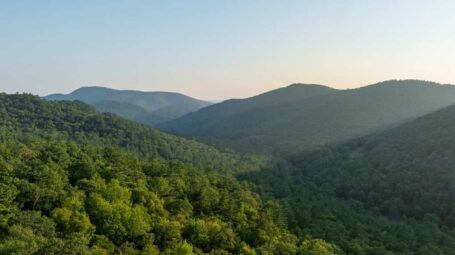
As wildlife adapt to changing and growing pressures, connected landscapes are becoming more important than ever. Wildlife corridors allow animals to move safely between habitats, find food and mates, and maintain healthy populations.
Join conservation partners from The Nature Conservancy, Vermont Land Trust, and Vermont Fish & Wildlife Department to explore the science and practice of conserving wildlife connectivity, from large-scale conservation networks to local projects that help reconnect Vermont’s forests and waterways.
Presenters will share how conservation organizations identify and protect important wildlife connections, highlighting projects underway across Vermont and the broader region. We’ll take a closer look at the “Reconnecting the Greens – Mt. Mansfield to Camel’s Hump Wildlife Corridor” initiative, which is working to protect and enhance wildlife movement in the Mt. Mansfield to Camel’s Hump Wildlife Corridor, including how transportation infrastructure can be used to facilitate wildlife movement.
Whether you’re a landowner, outdoor enthusiast, or simply curious about Vermont’s natural world, you’ll learn how conservation science, land protection, and innovative transportation solutions are helping wildlife move more safely across our landscape.
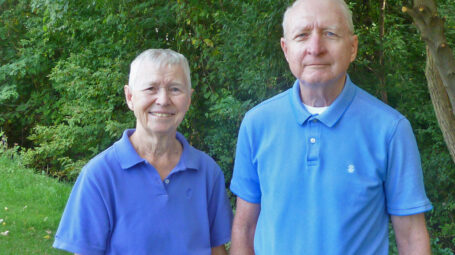
Panelists:
Bob Heiser Project Director, Vermont Land Trust
Jens Hilke Conservation Planner, Essex Junction Office, Vermont Fish and Wildlife
Gus Goodwin Director of Science and Technology Advancement, The Nature Conservancy