A history of conservation
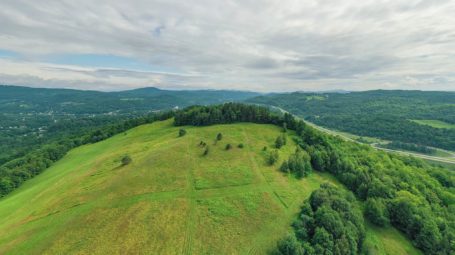
The land now home to NorthWoods Stewardship Center has a long and evolving history of human connection, resource use, and conservation. Long before European settlement, the Clyde River valley was a vital east-west travel route for the Western Abenaki, who used the area for seasonal camps, hunting, and fishing. The land later saw waves of settlement in the early 1800s, as homesteaders cleared the forests for farming, established sawmills, and relied on the region’s timber for economic survival. By the late 19th century, much of the land had been logged extensively, with over half of the property converted to open fields.
A shift toward sustainable land management
Through the 20th century, the land changed hands multiple times, and by the 1960s and ‘70s, reforestation efforts began with the planting of red pine, white pine, and Norway spruce. However, in the 1980s, heavy clear-cutting returned, as private timber companies sought to maximize short-term gains. It wasn’t until the 1990s and early 2000s that a shift toward permanent conservation took root.
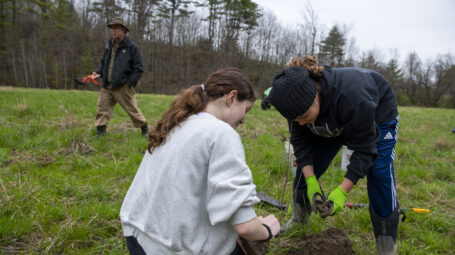
During this time, Bill Manning and Pat Moyer founded what was then called the Vermont Leadership Center, with a mission of fostering environmental education and leadership through outdoor experiences. Their work laid the foundation for what would become NorthWoods Stewardship Center, shaping its focus on conservation, recreation, and community engagement.
In 2004, Lydia Spitzer — who had purchased much of the land — donated the development rights to VLT, ensuring that the forest would remain protected from future development. In 2008, she gifted the land itself to NorthWoods Stewardship Center, recognizing that the organization would be a responsible steward of the land and a leader in sustainable forestry and conservation education.