Can't find what you're looking for? Please contact us.

A wild haven in Fletcher for youth to call their own

8 min read / November 11, 2025 / By Laura Hardie

Joy in nature

Mike Foote still remembers the look on a group of high schoolers’ faces last summer as they climbed out of their canoes at Camp DREAM’s waterfront. “I had never seen high schoolers giddy in that way,” he said. “It’s wonderful to see that real-time impact those a-ha moments.”

This story is part of our 2024-2025 Annual Report. Read more about the places and people we worked with here.
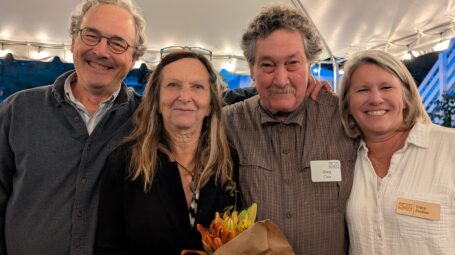
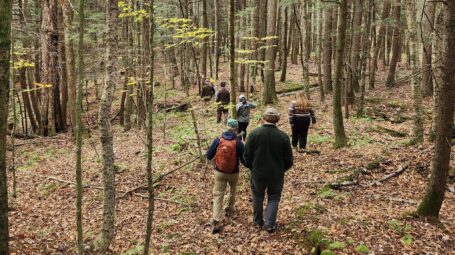
Mike is the Empowerment Director of Camp DREAM. He has built a career creating those moments for kids.

Camp DREAM is a 10-day overnight camp on the shores of Metcalf Pond in Fletcher, Vermont, that serves children and teens from affordable housing communities in Vermont, Boston, and Philadelphia — many of whom might not otherwise experience overnight outdoor programs. 

“We’re building the next generation of environmental stewards,” Mike said.

Photo: Campers and counselors in the middle of a game at Camp DREAM this summer.

This year, with help from VLT, Camp DREAM added something new: a one-acre island on Metcalf Pond, only a five-minute paddle from their home base. 

“Most programs grapple with how to keep teens meaningfully engaged, and one of the strategies that works best is having exciting adventures for them,” Mike said. 

Dubbed the Island of Dreams through a public naming contest, the isle has been home to dozens of day trips as well as mentor and staff retreats this year, and will host its first overnights in summer 2026. 

“The island may be small, but it’s a remarkable little gem,” Mike said. 

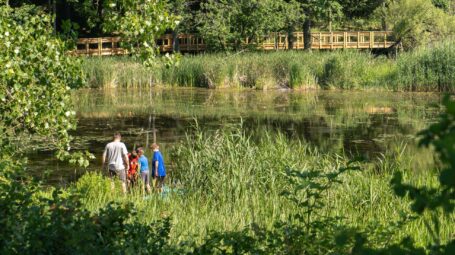
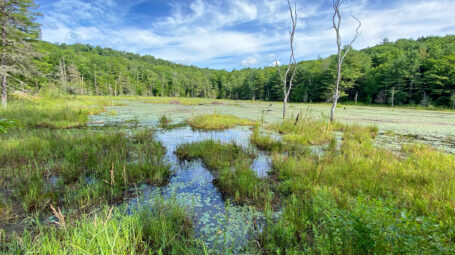
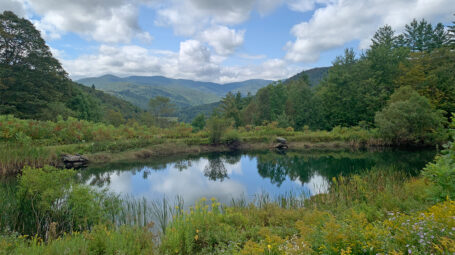
Photo: Metcalf Pond in Fletcher, Vermont


A wild place for youth to call their own

By reserving overnights at the island for older youth, DREAM is creating a rite of passage.  

There’s lots to observe in the woods, wetland, and shoreline around Metcalf Pond, including loons and bald eagles. DREAM staff are planning an ecology center so campers can study pond life. 

Because the island is conserved, its natural resources will remain protected and thoughtfully managed — and campers will have a living classroom and a wild place to call their own. 

“You’re paddling out there, you know, and you get to an island and it’s DREAM’s, it’s yours… you’re getting to hop off, grab a net, and explore. It’s just something you will never forget,” Mike said. 

Last winter, campers crossed the ice and put a flag on the island. 

“There is something about being in the woods that helps cultivate a really strong community,” said Lee Oshlag, the camp director. 

Photo: Approaching the Island of Dreams on Metcalf Pond

Land for good

Camp DREAM’s partnership with the VLT began in 2003, when they came together to enable DREAM to buy and protect a 50-acre shoreline property in Fletcher. 

Mike says summer is a critical time to invest in kids, pointing to the “developmental slide,” when children can lose academic skills and connection to mentors. Yet, many families find summer programs out of reach financially and struggle to secure consistent options year after year. 

“We didn’t want to just put up with this idea of fractured summer experiences for our kiddos, for our dreamers,” Mike said. 

Before owning land, DREAM relied on borrowed or temporary spaces. Securing a permanent base gave the program stability and, over the years, enabled them to add a lodge for cooking, shelter, and group activities; sleeping shelters, a magical treehouse, and a weatherized winter cabin. The stable land base also gave DREAM the opportunity to expand to the island this year.

“There would be no camp without this land. There was no through-line for us to have done this without VLT’s support,” Mike said. 

Now, more than 20 years later, Mike, who was in his early twenties when the camp started, looks back in awe. 

“I still don’t really know why the land trust looked at a group of young folks right out of college and said, ‘Yeah, we’ll invest in this idea,’ but I’m so grateful they did. It was one of the first to combine conservation and making access to nature more equitable.”

Breaking down barriers to nature

DREAM, which also offers day camps, mentoring, afterschool programs, and adventure trips, provides all its programming free, including transportation. The costs are covered through private donations and some corporate sponsorships. Partnerships with local housing communities, like the Winooski Housing Authority, and AmeriCorps service have also been essential. 

Staff recruit campers through grassroots outreach at partner affordable housing apartment complexes by holding informational meetings and putting up flyers.

Mike says kids from urban environments might come to camp with opinions like “grass is gross” because they’re used to seeing neglected plots in cities. Camp DREAM helps them become advocates for nature when they join trail crews, garden, and do hands-on ecology projects. 

“They’re building connections to nature and strong relationships. The kids become fiercely loyal to that environment and are protective of it, and that’s what I think we’re all looking for…how do we make sure our kids grow up and protect our natural resources?”

Beyond the summer

Megan Brogan attended Camp DREAM as a kid and is now a camp parent. She has seen the difference in her daughter, Kiera, who has set her sights on becoming a mentor. “Her favorite part about camp is meeting new people, learning about leadership, and being away from her phone… seeing what we did as kids before cell phones,” Megan said. 

Mike recalls seeing former counselors reaching out with words of encouragement and support to a struggling former camper, even after their days in the woods together had ended. “The relationships are real,” he said. “They enrich my life as much as anyone else’s.”

He emphasized that DREAM’s goal is to create equity — ensuring kids have access to the same kinds of opportunities and adventures that are available to their peers. 

The impact isn’t measured in wealth or titles, but in what they carry with them. What matters most, Mike says, is that they’ve had a foundation of wonderful childhood experiences. “For all of us, that pays forward so much,” he said. 

Photo: Mike Foote.

All photos by Caleb Kenna.

“They’re building connections to nature and strong relationships. The kids become fiercely loyal to that environment and are protective of it.”

Want to support outdoor access across the state?

DONATE TODAY