Who we are
Facilitator
 Elijah Schumacher is Vermont Land Trust’s Watershed Specialist. He can be reached at elijah@vlt.org
Steering Committee
 Shayne Jaquith is The Nature Conservancy in Vermont’s Watershed Restoration Manager. He can be reached at shayne.jaquith@tnc.org
 Shawn White is the Watershed Forestry Partnership’s Watershed Forestry Partnership Coordinator. She can be reached at shawn.white@uvm.edu
 Allaire Diamond is Vermont Land Trust’s Ecology and Restoration Program Director. She can be reached at allaire@vlt.org
Network Design Team
 Dorothy Kinney-Landis is Franklin County Natural Resource Conservation District’s Natural Resources Planner. She can be reached at dorothy@franklincountynrcd.org
 Erin Rodgers is Trout Unlimited’s Eastern Region Program Manager. She can be reached at erin.rodgers@tu.org
 Jud Kratzer is a Fisheries Biologist for the Vermont Department of Fish and Wildlife. He can be reached at jud.kratzer@vermont.gov
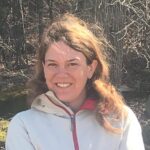 Karina Dailey is the Vermont Natural Resources Council’s Science and Restoration Director. She can be reached at kdailey@vnrc.org
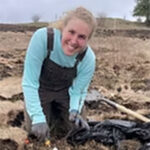 Lauren Weston is Franklin County Natural Resource Conservation District’s District Manager. She can be reached at lauren@franklincountynrcd.org
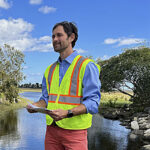 Matt Thorne is The Nature Conservancy in Vermont’s Director of Freshwater & Community Resilience. He can be reached at matthew.thorne@tnc.org
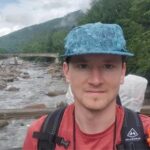 Patrick Hurley is Memphremagog Watershed Association’s Watershed Project Manager (and principal at Windenwater LLC). He can be reached at phurley@mwavt.org
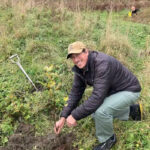 Ted Sedell is the Orleans County Natural Resource Conservation District’s Riparian Lands Program Manager. He can be reached at ted.sedell@orleanscountynrcd.org
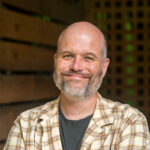 Tyler Miller is Vermont Land Trust’s Executive Vice President of Programs. He can be reached at tyler@vlt.org